No products in the cart.
Buy Reloading Brass
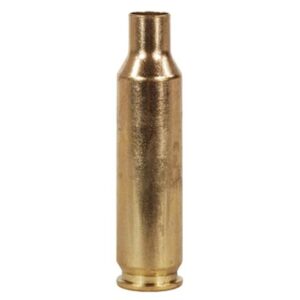
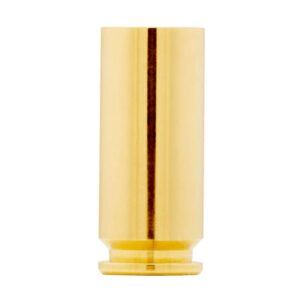
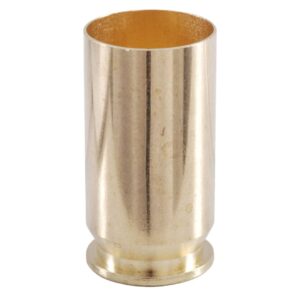
You can buy reloading brass online right here at Primers Reloading, with rifle and pistol brass in stock from trusted names like Lapua, Starline, Hornady, and Peterson, all shipped fast across the USA. Whether you’re loading your first batch of ammo or you’re a long-time handloader restocking your bench, quality brass is the starting point for every round you’ll build.
What is reloading brass?
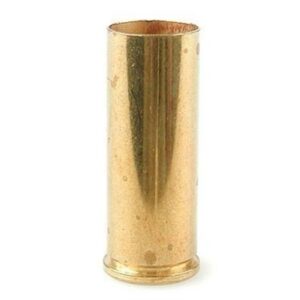
Reloading brass is the empty metal case left over after a cartridge is fired. Instead of throwing it away, reloaders clean it, resize it, and reuse it to build a brand-new round. It’s called “brass” because that’s the metal most cases are made from.
Think of brass like a reusable cup. Once it’s empty, you can wash it, refill it, and use it again and again, as long as you take care of it. Brass works the same way — with the right care, one piece of brass can be reloaded many times before it wears out.
Why brass quality matters
Not all brass is the same, and the quality of your brass affects how consistent and accurate your ammo turns out. Good brass has:
- Consistent wall thickness – so every case holds powder the same way, shot after shot.
- Uniform case capacity – so pressure and velocity stay steady from round to round.
- Strong, well-formed primer pockets – so primers seat correctly and stay in place when fired.
Cheaper or mismatched brass can cause uneven pressure, inconsistent accuracy, and a shorter case life. That’s why many reloaders stick with trusted brands even though it costs a little more upfront.
New brass vs. once-fired brass
You’ll often see two options when shopping for brass:
- New (unfired) brass – Never been loaded or fired. It’s the most consistent option and a great choice when starting a new batch from scratch.
- Once-fired brass – Brass that has already been fired one time, then cleaned and sorted. It costs less than new brass and is a popular way to stretch your budget, though it should always be inspected and resized before reloading.
Either option can produce great results as long as it’s inspected, cleaned, and prepped properly before use.
Which brass do I need?
Brass is cartridge-specific, meaning a .223 Remington case won’t work for a .308 Winchester, and a 9mm case won’t work for a .45 ACP. Always match your brass to the exact cartridge you’re loading for, which your reloading manual or load data will confirm.
Popular brass calibers include:
- .223 Remington
- .308 Winchester
- 6.5 Creedmoor
- 9mm Luger
- .45 ACP
- .300 Winchester Magnum
Why buy reloading brass online
- Wider selection – Shop new and once-fired brass from multiple trusted brands in one place.
- Better stock visibility – See exact quantities and calibers in stock before ordering.
- Bulk options – Buy in bags of 50, 100, or more if you shoot in higher volume.
- Convenience – Skip driving from store to store hoping to find your caliber in stock.
Shipping information
Unlike primers and powder, reloading brass is not classified as a hazardous material, which makes shipping simpler:
- Can ship by ground or air.
- No adult signature required in most cases (though some orders may still require one depending on carrier policy).
- No special state restrictions apply to brass the way they do for primers or powder.
That means your brass order typically ships and arrives faster than components that require hazmat handling.
Frequently Asked Questions
How many times can I reload the same piece of brass?
It depends on the cartridge, the pressure of your load, and how well you care for the brass, but most rifle brass can be reloaded anywhere from 5 to 15 times, and pistol brass often more, before it needs to be retired.
What’s the difference between new and once-fired brass?
New brass has never been loaded or fired, offering the most consistency. Once-fired brass has been shot once already, then cleaned and sorted, and costs less, but should always be inspected before reloading.
Do I need to clean brass before reloading it?
Yes. Brass should be cleaned to remove dirt, carbon, and residue before resizing and reloading, which helps protect your dies and ensures a proper fit.
How do I know if brass is worn out and needs to be discarded?
Watch for signs like case-mouth cracks, bulging, or a primer pocket that no longer holds a primer snugly. Any of these mean it’s time to retire that piece of brass.
Can I mix brands of brass in the same batch?
You can, but many reloaders sort brass by brand and headstamp for the most consistent results, since brands can vary slightly in wall thickness and capacity.
Is reloading brass hazardous to ship?
No. Brass is not a hazardous material, so it ships more easily and quickly than primers or powder.
Showing all 7 results
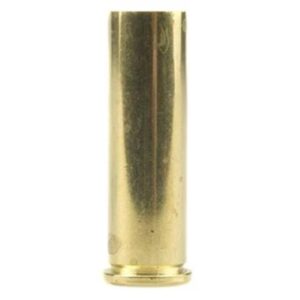
- Starline 357 Magnum Brass Price range: $18.99 through $20.99 Select options This product has multiple variants. The options may be chosen on the product page